By Sport Inclusion NSW & ACT — the official pathway for athletes with intellectual disability and autism
Why AFL Can Be a Great Fit for Autistic Athletes
AFL is fast, energetic and social — but more importantly, it can be highly structured, visually clear and adaptable. Many autistic athletes thrive in AFL because it offers routine, predictable patterns of play, well-defined roles and plenty of opportunities for movement and regulation.
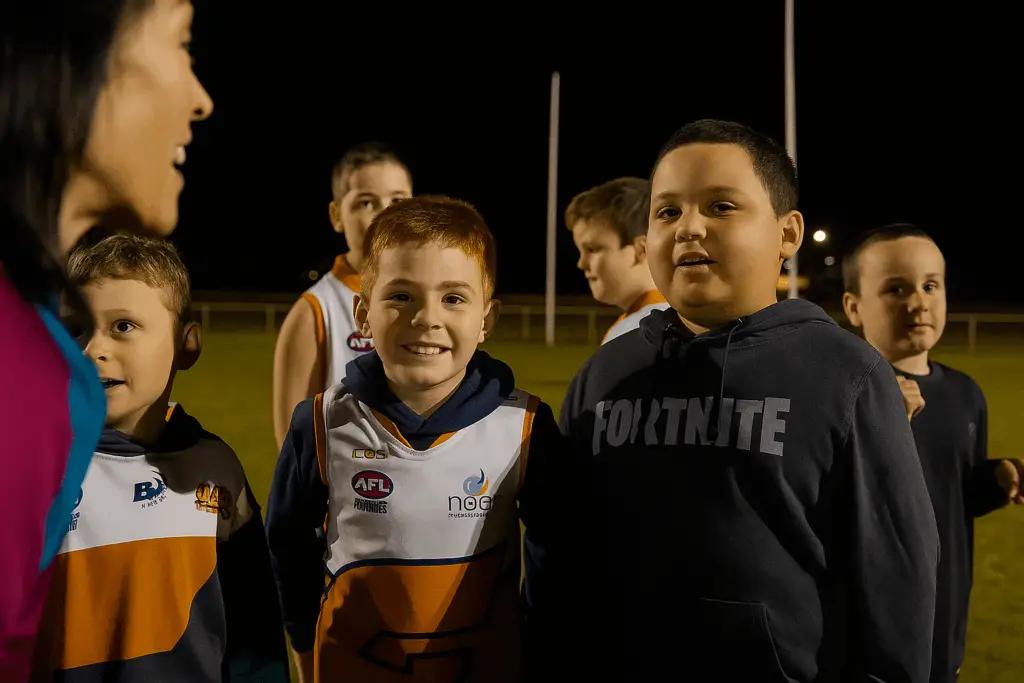
Across NSW and ACT, inclusive AFL programs such as Kickability are giving autistic children and teens safer, supported pathways into the sport. With the right coaching strategies, AFL can help athletes build confidence, coordination, communication skills and meaningful friendships.
This guide breaks down why AFL works so well for autistic athletes and how to support participation at training, school programs and community clubs.
What Makes AFL Autism-Friendly?
1. Clear Roles and Defined Spaces
AFL has well-defined positions such as forwards, midfielders, defenders and ruck roles. Each has a clear purpose and predictable responsibilities.
Why this helps:
• reduces uncertainty
• supports understanding of structure
• helps autistic athletes feel grounded
• creates routine within the game
When athletes know exactly where to be and what to do, anxiety decreases and confidence rises.
2. Strong Visual Nature of the Game
AFL is highly visual. Athletes constantly watch the ball’s movement, players’ positions, hand signals and space around them.
For autistic players who learn visually, this is a huge advantage.
Visual cues include:
• handball technique
• marking cues
• leading patterns
• defensive shapes
• umpire signals
These make AFL easier to understand and more predictable than some other sports.
3. Frequent Movement Supports Regulation
Many autistic athletes regulate through movement. AFL naturally provides:
• running
• jumping
• changing direction
• kicking motions
• momentum-based activities
These active patterns help manage sensory needs, attention and emotional regulation throughout a session.
4. Natural Opportunities for Routines
AFL training follows familiar, repeated elements:
• warm-ups
• skill stations
• handball-kicking drills
• marking practice
• small-sided games
Routine is calming and builds emotional safety.
Even during matches, repeated play patterns help autistic athletes stay oriented and engaged.
5. A Supportive, Team-Focused Culture
AFL is built on values such as inclusion, teamwork, respect and community. These structures support autistic athletes in learning:
• cooperation
• turn-taking
• celebrating teammates
• responsibility
• positive communication
The culture of the sport naturally reinforces belonging.
Common Sensory Challenges in AFL and How to Support Them
Though AFL is autism-friendly, it can involve sensory triggers. The strategies below help athletes stay comfortable and regulated.
1. Noise and Crowds
Whistles, shouting, sirens and team noise may be overwhelming.
Supports that help:
• warn before whistles or loud markers
• offer ear defenders during warm-ups
• use hand signals instead of yelling instructions
• provide a quiet space for breaks
• reduce sideline noise during junior games
2. Touch Sensitivity
AFL includes bumps, tagging and marking contests. Some athletes may find unexpected contact triggering.
Supports that help:
• practise contact in controlled, predictable ways
• demonstrate how a safe bump feels
• focus on non-contact drills for beginners
• allow athletes to start in positions with less contact
3. Visual Sensory Overload
Bright sunlight, movement everywhere and fast play can be overwhelming.
Supports that help:
• hats or visors
• sunglasses
• reducing drill complexity
• allowing more stationary roles early
Clear visual instructions help athletes orient themselves quickly.
4. Transitions Between Drills
Shifting abruptly from one activity to another can cause stress.
Supports that help:
• countdown warnings
• using the same transition phrases weekly
• visual timers
• demonstrating the next drill before ending the current one
5. Social Complexity
Team sports involve reading body language, interpreting instructions and responding quickly.
Supports that help:
• pair athletes with supportive peers
• teach simple communication phrases (“Kick long”, “I’m open”)
• use role rotation to build comfort gradually
• celebrate effort and interaction, not just skill
Coaching Strategies for AFL Inclusion
1. Demonstrate Everything
Autistic athletes learn best through observing actions rather than lengthy verbal instruction.
Use:
• demonstrations
• visual cones
• clear markers
• slow-motion examples
Keep instructions short and concrete.
2. Build Predictable Session Routines
A consistent weekly plan might look like:
- Warm-up
- Handball drills
- Kicking practice
- Marking technique
- Small-sided AFL game
- Cool-down
Routine eases anxiety and increases engagement.
3. Break Skills into Smaller Steps
AFL skills can be complex, so break them down.
Example: marking
- Eyes on ball
- Hands in W shape
- Extend arms
- Bring ball to chest
Celebrate each step, not just the full skill.
4. Offer Sensory Breaks Without Judgment
Quiet zones or short breaks help athletes regulate and return strongly.
Breaks should be seen as support, not discipline.
5. Encourage Strengths
Many autistic athletes excel in:
• precision kicking
• memory of plays
• consistency
• strong focus
• running effort
• loyalty to routines
Reinforcing strengths increases motivation and retention.
Why AFL Works So Well in NSW & ACT
Sport Inclusion NSW & ACT supports AFL inclusion across:
• school programs
• Kickability sessions
• interschool events
• community partnerships
• talent pathways
• representative opportunities
Athletes can begin at any level and grow confidence through structured, safe and inclusive environments.
How to Join an Inclusive AFL Program
Whether your athlete is trying AFL for the first time or seeking a more structured environment, we can help.
Explore our programs and pathways, or contact our team for support and enrolment options.